
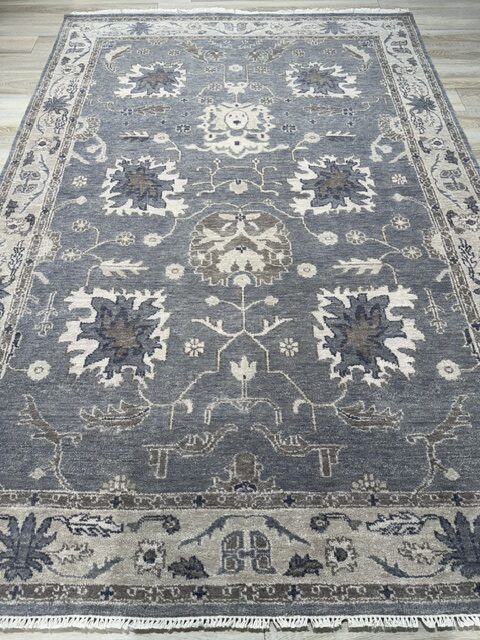
Pets make a house feel like a home, and they also put a rug through its paces. Claws, muddy paws, shedding, the occasional accident and a love of sunny spots on the floor all add up. The good news is that you do not have to give up on a beautiful rug. With the right fiber, pile and pattern, plus a few habits, rugs and pets can coexist happily. Here is how to choose and care for pet-friendly rugs in a Jacksonville home.
What Makes a Rug Pet-Friendly?
A pet-friendly rug usually has most of these qualities:
- A tight, low or medium pile that does not snag claws.
- A fiber that stands up to wear and cleans reasonably well.
- A pattern or color that hides hair, dirt and small marks.
- A construction that keeps its shape rather than unraveling.
Best Rug Fibers for Pets
Wool
Wool is resilient and tends to bounce back from traffic. Its natural structure resists soil to a degree, and a dense hand-knotted or hand-woven wool rug can handle a lot of daily use. Wool does need prompt attention after accidents so that liquid does not soak in, and it needs to be fully dried afterward. See our comparison of wool and synthetic rugs in Florida for more on how fibers behave in humid conditions.
Polypropylene and other synthetics
Synthetic fibers can be a practical choice for homes with young pets or pets that are not yet reliably house trained. They typically tolerate cleaning well and dry quickly. The trade-off is a different feel and sometimes a shorter lifespan than a quality wool rug.
Flatweave and low pile
Flatweave rugs have no loops for claws to catch and release hair easily when vacuumed. They are a good fit for dining rooms, kitchens and hallways.
What to approach carefully
Long shag and high-loop rugs can trap hair and catch claws. Silk and delicate antique rugs are better kept away from the areas where pets spend most of their time.
Choose Patterns and Colors That Work for You
Busy, traditional and Oriental-inspired patterns are wonderful at camouflaging hair, dust and small marks. Mid-tone colors tend to be the most forgiving. Very dark rugs show light-colored hair, and very light rugs show everything else. If you have a dark-coated pet, a mid-tone or patterned rug may be the sweet spot. Browse our traditional and transitional collections to see how patterned designs hide everyday wear.
Pet Care Habits That Protect Your Rug
Keep claws trimmed
Regular nail trims reduce snagging and pulling on the surface of a rug.
Vacuum often
Pet hair works its way into fibers. Vacuum several times a week in busy areas and use suction-only settings on delicate rugs. For help with cleaning steps, read how to clean an area rug at home.
Use a good pad
A pad keeps the rug from sliding when pets run across it and adds a layer of protection against moisture reaching the floor. Our rug pad guide explains which kind to choose.
Wipe paws at the door
A durable entry rug or doormat captures dirt before it reaches your good rug.
Handling Accidents
Quick action matters. Blot liquid immediately with clean cloths, working from the outside in. Do not rub. Rinse by blotting with cool water, then blot dry. Use a cleaner made for pet stains and safe for the rug’s fiber, and test it on a hidden area first. Enzyme-based pet cleaners can break down the organic compounds behind odors, but always check that they are suitable for your rug’s fibers and dyes. Avoid harsh chemicals and never soak the rug.
If an accident has soaked through to the backing or pad, or if an odor keeps returning, it is time to ask a specialist for help. Recurring odors usually mean moisture has reached the foundation of the rug or the pad underneath, and a surface treatment will not solve that.
Consider the Jacksonville Factors
- Humidity: damp fibers and pet odors are a poor mix. Make sure the rug dries fully and rooms have good airflow.
- Outdoor traffic: sandy, muddy or wet paws are common after walks. Place a rug near the door that you can easily shake out or clean.
- Sunlight: pets love sunny patches, and strong light fades rugs. Rotate your rug now and then.
Where to Place Rugs in a Pet Household
- Living room: a dense, mid-tone rug anchors seating and hides everyday wear. Our living room rug guide covers size and layout.
- Dining room: a flat, low-pile rug is easier to vacuum under chairs.
- Hallways and entryways: washable or easy-care runners take the most abuse.
- Bedrooms: keep a softer, more delicate rug where pets are less likely to have accidents.
The Bottom Line
A rug with a tight weave, an easy-care fiber and a forgiving pattern will serve a pet household far better than a trendy but fragile option. You can still have style. For more shopping advice, see our Jacksonville buyer’s guide and our earlier post on the best area rugs for pet owners.
Find a Rug That Suits Your Pets
If you would like help finding a rug that works for your four-legged family members, book a free rug consultation or contact us. Visit the showroom at 7119 Bentley Road, Jacksonville, FL 32256, Monday to Friday 9 to 5 and Saturday 9 to 3 (closed Sunday), or call (904) 504-4665.
Recent Comments